

Navigating a wine list can feel like deciphering an ancient scroll written in a foreign language. With terms like “full-bodied” and “oaky,” it’s no wonder many wine lovers feel overwhelmed. But fear not! A little wine list analysis can turn that confusion into confidence, making every sip a delightful experience.
Importance Of Wine List Analysis
Wine list analysis plays a crucial role in enhancing the overall dining experience and maximizing sales for establishments. Understanding the nuances within a wine list empowers both consumers and businesses.
Enhancing Customer Experience
Tailored wine selections enrich customer engagement. Knowledgeable staff can guide choices, making each visit memorable. Carefully curated lists introduce diners to new varietals, enhancing exploration. Clear descriptions also aid in reducing confusion. When customers feel informed, they’re more likely to enjoy their selections.
Improving Sales Strategies
Data-driven assessments strengthen sales approaches. Analyzing customer preferences reveals the most popular wines, allowing for strategic purchasing. Adjusting inventory based on insights can drive profitability. Implementing seasonal selections encourages repeat visits. Ultimately, a well-structured wine list showcases premium offerings, converting casual diners into loyal patrons.
Key Components Of Wine List Analysis
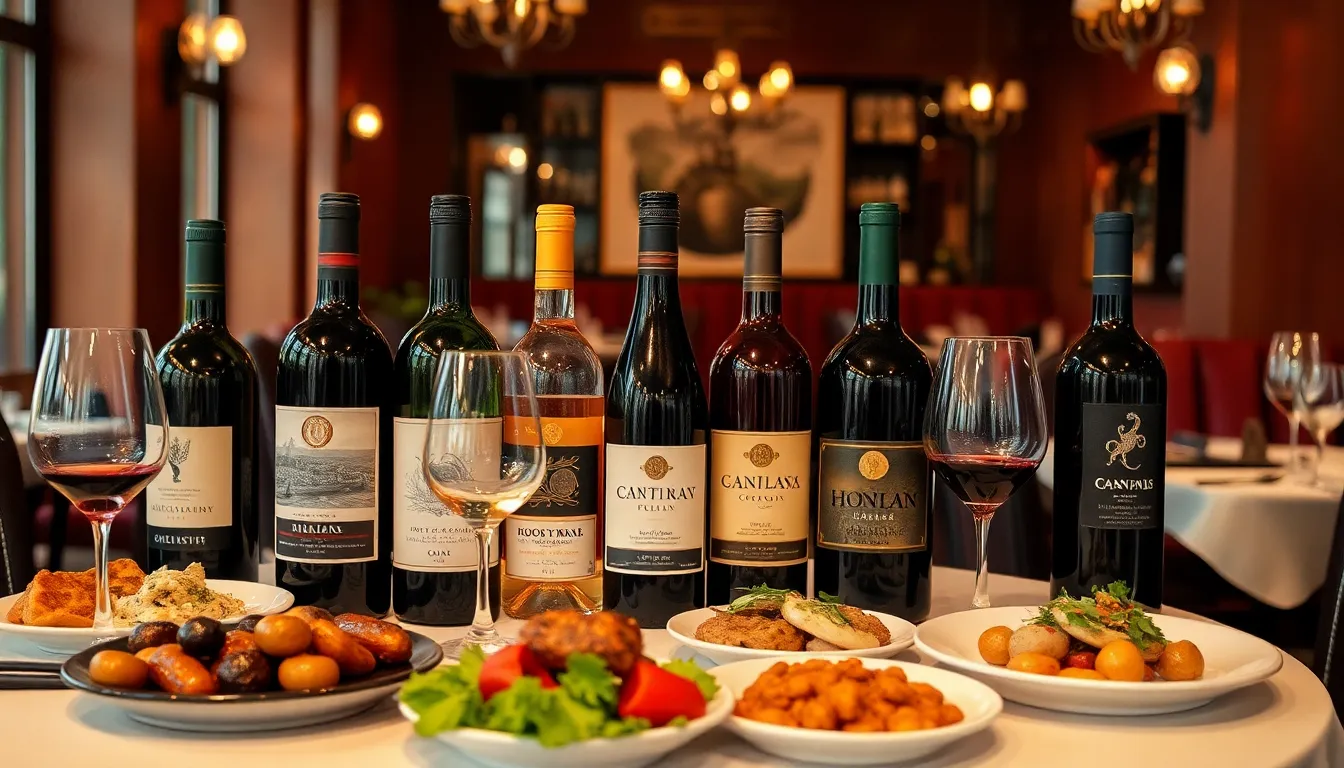
Understanding the key components of wine list analysis enhances both consumer experience and profitability for establishments. Specific elements contribute significantly to overall success.
Wine Selection Criteria
Quality and variety rank high among wine selection criteria. It’s crucial for a wine list to feature wines from diverse regions, ensuring options appeal to different palates. Consideration of food pairings strengthens the offering, allowing diners to enjoy harmonious combinations. Additionally, balancing well-known brands with lesser-known selections promotes exploration. Organic and sustainable wine options attract environmentally conscious consumers. Staff knowledge about these selections can lead to more personalized recommendations.
Pricing Strategies
Effective pricing strategies play an essential role in wine list analysis. Cost markup retains profitability while remaining competitive. Offering a range of price points caters to various customer budgets. Implementing value-added options, such as pairing suggestions, can justify higher price tags. Seasonal pricing adjustments reflect market demand and inventory levels, ensuring fresh offerings. Promotions and special event pricing can stimulate interest and increase sales volume. A transparent pricing structure enhances trust and encourages diners to explore the full wine list.
Tools And Methods For Wine List Analysis
Effective wine list analysis requires the right tools and methods. These resources help uncover valuable insights into customer preferences and inventory management.
Data Collection Techniques
Data collection techniques revolve around gathering relevant information from various sources. Surveys offer direct feedback about customer preferences and experiences. Online platforms track purchasing behaviors, allowing for a comprehensive understanding of trends. Establishments benefit from point-of-sale systems that record sales data and reflect popular choices. Additionally, integrating social media analytics can reveal customer sentiment and engagement around specific wines. Collecting feedback through comment cards further enriches understanding, helping to tailor offerings based on customers’ tastes.
Analyzing Customer Preferences
Analyzing customer preferences involves scrutinizing collected data to identify patterns and trends. Segmenting customers by demographics provides insights into varying taste profiles. Tracking purchase frequency highlights popular selections and potential gaps in the wine list. Reviewing feedback from staff about customer interactions aids in fine-tuning recommendations. Utilizing data visualization tools helps distill complex information into digestible formats, making it easier to identify preferences. Regularly assessing seasonal changes in customer choices enables adaptability to shifting demands, ensuring the wine list remains relevant and appealing.
Challenges In Wine List Analysis
Navigating the complexities of wine lists presents several challenges that require careful consideration. Establishments must address these issues to improve customer satisfaction and enhance operational efficiency.
Balancing Variety And Quality
Finding the right mix of variety and quality is crucial for a successful wine list. A wide selection satisfies diverse customer preferences while high-quality offerings attract discerning wine enthusiasts. Establishments may struggle when attempting to cater to various taste profiles without overwhelming customers. Restaurant owners often benefit from focusing on a curated range of wines that complements the menu. Additionally, incorporating organic and sustainable wines appeals to environmentally conscious consumers. Tailoring selections to fit seasonal trends can also elevate the dining experience. Ensuring accessibility and clarity in descriptions encourages guests to explore options confidently.
Managing Inventory Effectively
Effective inventory management poses another challenge for wine list analysis. Keeping track of stock levels ensures popular wines remain available while preventing excess in slow-moving items. Regular assessments of sales data can identify patterns and trends that inform purchasing decisions. Establishments might adopt just-in-time inventory methods to optimize space and minimize waste. Utilizing point-of-sale systems helps streamline inventory tracking and simplifies reordering processes. Demand forecasting based on historical sales can further assist in maintaining appropriate stock levels. Proper inventory management practices ultimately drive profitability and enhance customer experiences.
Mastering wine list analysis opens the door to a richer dining experience. By understanding the intricacies of wine selections and customer preferences, both patrons and establishments can thrive. A well-curated wine list not only enhances enjoyment but also fosters loyalty among customers.
Incorporating diverse options and effective pricing strategies ensures that every guest finds something appealing. With knowledgeable staff ready to assist and clear descriptions guiding choices, the potential for memorable experiences increases significantly.
Ultimately, embracing wine list analysis leads to smarter inventory management and improved profitability, creating a win-win situation for everyone involved.