

In a world where cultures clash and blend like a toddler’s art project, trans cultural studies emerges as a fascinating field that explores the intricate dance between diverse identities. It’s like a cultural potluck where everyone brings their unique dish, and sometimes, the combinations are surprisingly delicious. This discipline dives deep into how cultures influence one another, creating a rich tapestry of shared experiences and mutual understanding.
Imagine a classroom where students debate the merits of fusion cuisine while sipping on chai lattes and munching on sushi burritos. That’s the essence of trans cultural studies—it’s all about breaking down barriers and celebrating the beautiful messiness of human interaction. By examining the intersections of culture, identity, and power, this field offers invaluable insights into today’s globalized society. So buckle up and get ready to explore a world where cultural boundaries are not just blurred but beautifully redefined.
Overview of Trans Cultural Studies
Trans cultural studies explores the intricate interactions and influences that shape and redefine cultural boundaries. This discipline focuses on the dynamic exchanges between diverse cultures, where unique identities converge and interact. Such cultural exchanges foster mutual understanding and shared experiences, playing a vital role in today’s globalized society.
Examining phenomena such as fusion cuisine, trans cultural studies reveals how cultural blending enriches community interactions. The study of music genres highlights how different styles collaboratively emerge from diverse origins, creating hybrid forms that resonate with broader audiences. Understanding these interactions provides insights into how culture adapts and transforms in response to globalization.
Scholars in this field analyze various media, literature, and art to illustrate how cultures influence each other. They emphasize the importance of shared narratives that arise from these cultural encounters, showcasing examples that reflect contemporary identities. By breaking down cultural barriers, trans cultural studies celebrates the complexities and nuances of human experience.
Critical perspectives within trans cultural studies challenge traditional cultural isolation. These analyses advocate for inclusive frameworks that recognize the value of each culture’s contributions. Through this lens, it’s possible to appreciate how interconnectedness shapes individual and collective identities in meaningful ways.
By engaging with a variety of cultural expressions, scholars foster a deeper understanding of the human experience in a multifaceted world. Thus, trans cultural studies serves as an essential tool for navigating and appreciating the rich tapestry of global cultures.
Historical Context of Trans Cultural Studies
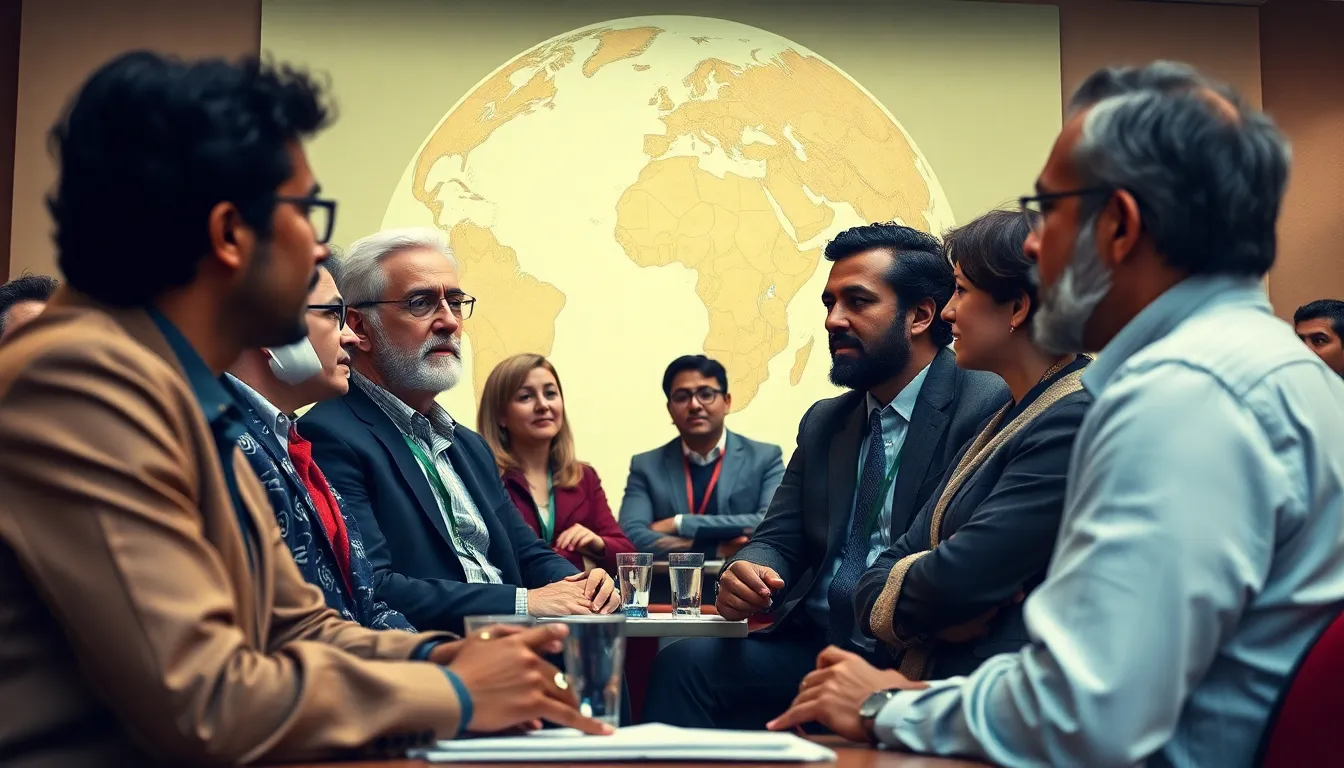
Trans cultural studies emerged as a vital field addressing cultural interactions and exchanges. This discipline reflects the increasing complexity of globalization and migration, spotlighting how diverse cultures influence one another.
Development of the Field
Emerging in the late 20th century, trans cultural studies evolved alongside postcolonial theory and globalization discussions. Scholars needed frameworks to analyze cultural blending, prompting the formation of this discipline. Initiatives across educational institutions and conferences facilitated collaboration among experts. Such environments encouraged dialogue on shared narratives within diverse communities.
Key Theorists and Their Contributions
Georg Simmel’s work on social forms laid the groundwork for understanding cultural interaction dynamics. Homi Bhabha introduced concepts like hybridity, emphasizing cultural negotiation processes. Edward Said’s notions of Orientalism critiqued representations of the East, influencing trans cultural perspectives. Furthermore, Arjun Appadurai’s exploration of globalization enriched discussions on cultural flows. Each theorist contributed unique insights, shaping the trajectory of trans cultural studies.
Methodologies in Trans Cultural Studies
Trans cultural studies employs diverse methodologies to analyze cultural interactions. These methods facilitate deeper insights into how cultures influence each other.
Qualitative Methods
Qualitative methods focus on understanding cultural phenomena through detailed observation and interpretation. Researchers often conduct in-depth interviews with individuals from different cultural backgrounds to gather personal narratives. Ethnographic studies provide insights into daily practices, rituals, and social interactions. Case studies on specific cultural events illustrate how exchanges occur in various contexts. Through these approaches, scholars uncover the meanings behind cultural expressions, revealing underlying values and beliefs. Focus groups offer a collaborative platform for participants to share perspectives, enhancing the richness of shared experiences.
Quantitative Methods
Quantitative methods in trans cultural studies emphasize statistical analysis to identify patterns in cultural interactions. Surveys provide a structured way to collect data from large populations, enabling researchers to analyze trends across different demographics. Statistical methods help to measure the impact of cultural exchanges on identity formation and social cohesion. Data sets can reveal correlations between globalization and cultural assimilation. Researchers may utilize tools like demographic analysis and correlation studies to draw meaningful conclusions. Combining these approaches enriches the understanding of complex cultural dynamics and societal changes.
Applications of Trans Cultural Studies
Trans cultural studies find applications across various fields, enhancing understanding of cultural interactions and their implications.
In Literature and Arts
Literature serves as a powerful medium for exploring trans cultural themes. Writers depict cultural exchanges through narrative strategies that reflect diverse identities. Renowned authors often bridge cultural gaps, showcasing the impact of globalization on storytelling. Artistic expressions, including visual arts and performance, further illustrate the interplay of cultures. Pieces often draw inspiration from multiple traditions, creating hybrid forms that resonate with wider audiences. Musical compositions also embody this, blending genres to create unique sounds that transcend boundaries. Overall, literature and arts provide critical insights into the shared narratives that define and enrich cultural experiences.
In Social Sciences
Trans cultural studies significantly impact the social sciences, offering frameworks for analyzing social dynamics. Sociologists examine the effects of migration on community identities, revealing how cultural blending influences social cohesion. Anthropology benefits from this approach, highlighting interactions between cultures in varied contexts. Researchers utilize trans cultural perspectives to explore identity formation, addressing issues of representation and belonging. They also assess the ramifications of cultural exchanges on social structures, providing valuable insights into globalization’s effects. Engaging with trans cultural studies equips social scientists to navigate the complexities of today’s multicultural environments.
Challenges and Critiques
Trans cultural studies face significant challenges within academic and practical realms. Scholars often encounter difficulties in defining cultural boundaries. These boundaries can blur, making it hard to pinpoint distinct cultural identities. Critics argue that such ambiguity can dilute individual cultural significance.
Moreover, the issue of representation in trans cultural studies presents additional complexities. Some voices, particularly those of marginalized communities, may receive inadequate attention. This imbalance fosters a lack of inclusivity, leading to incomplete cultural narratives.
Evaluation of methodologies also sparks debate among researchers. While qualitative approaches offer depth, critics favor quantitative methods for broad applicability. Statistics may provide tangible evidence of cultural interactions, but they can overlook nuances inherent in individual experiences.
Cultural appropriation poses another major critique. Concerns arise when cultural symbols are adopted without acknowledgment of their origins. This practice may exploit and misrepresent original cultures, leading to further ethical dilemmas. Scholars emphasize the importance of navigating these sensitivities carefully.
In discussions on globalization, challenges emerge regarding the authenticity of cultural exchanges. Critics question whether blended cultures genuinely reflect collaborative efforts or if they merely commodify identities for consumption. Such critiques highlight the necessity for ongoing reflection within the field.
Finally, trans cultural studies must adapt to the rapidly changing global landscape. Migration patterns continually evolve, affecting the framework of cultural interactions. Researchers must stay attuned to these shifts, ensuring that their analyses remain relevant and impactful in contemporary society.
Future Directions in Trans Cultural Studies
Emerging trends in trans cultural studies indicate a growing emphasis on digital cultures. Digital platforms facilitate interactions between diverse cultural groups, reshaping how cultural exchanges occur. Investigating the influence of social media on cultural identities offers insights into contemporary engagement and representation.
Another area of focus is the role of intersectionality within cultural interactions. By examining how race, gender, and class shape cultural experiences, scholars can provide a deeper understanding of complexity in identity formation. Educators increasingly incorporate intersectional approaches in curricula, promoting awareness and inclusivity.
Cross-disciplinary collaborations are becoming essential for addressing the multifaceted nature of cultural studies. Engaging with fields such as environmental science can reveal how cultural perspectives impact ecological issues. This multidisciplinary approach enhances the relevance of trans cultural studies in tackling global challenges.
Studies also emphasize the importance of oral histories and local narratives. Incorporating voices from marginalized communities creates a more comprehensive cultural dialogue. Researchers are documenting these narratives to ensure that diverse perspectives are included in cultural discussions.
Incorporating technological advancements will enhance research methodologies. Utilizing big data and AI tools enables scholars to analyze vast amounts of cultural data efficiently. This innovative approach helps track trends and shifts in cultural interactions over time.
Additionally, sustainability within cultural practices deserves attention. Investigating how cultures adapt and thrive within ecological constraints fosters resilient community interactions. This focus aligns with broader discussions on sustainability and global citizenship.
By remaining adaptable, trans cultural studies can address the evolving dynamics of global interactions. Recognizing the impact of current events on cultural exchanges ensures that discussions remain relevant. Continuous reflection and adaptation will shape the future of this vital field, paving the way for a richer understanding of cultural interconnectedness.
Trans cultural studies stands as a vital lens through which to explore the complexities of cultural interactions in an increasingly interconnected world. By emphasizing the blending of diverse identities and shared experiences, it fosters deeper understanding and appreciation of cultural dynamics. The field’s adaptability to emerging trends and challenges ensures its relevance in contemporary discourse.
As scholars continue to investigate the impacts of globalization, migration, and digital cultures, trans cultural studies will remain essential for navigating the rich tapestry of global cultures. This ongoing exploration not only enriches academic understanding but also contributes to a more inclusive and informed society. Through its commitment to breaking down cultural barriers, trans cultural studies paves the way for a more harmonious coexistence among diverse communities.