

In the shadowy alleys of Victorian London, a sinister figure stalked the night, leaving behind a trail of mystery and horror. Jack the Ripper, the infamous serial killer, has fascinated and horrified generations. But what about the victims? The haunting photographs of those tragic souls offer a chilling glimpse into a world forever altered by violence.
These images aren’t just historical artifacts; they’re a window into the past, sparking curiosity and debate. They challenge viewers to confront the grim realities of crime and its impact on society. So grab your detective hat and prepare for a journey that blends history with a dash of dark humor. After all, who knew that exploring the macabre could be so intriguing? Get ready to delve into the lives of those who crossed paths with one of history’s most notorious figures.
Overview of Jack the Ripper
Jack the Ripper remains one of history’s most notorious serial killers. Operating in the Whitechapel district of London in 1888, he is known for the brutal murders of at least five women, commonly referred to as the “canonical five.” Victims included Mary Ann Nichols, Annie Chapman, Elizabeth Stride, Catherine Eddowes, and Mary Jane Kelly. Each murder displayed a shocking degree of violence, marking a significant moment in criminal history.
The Ripper’s identity has never been confirmed, spawning countless theories and speculations. Evidence from the time did not provide clarity, leading to a myriad of suspects ranging from local figures to more prominent individuals. Public fascination fueled the Ripper’s legend, turning him into a cultural icon synonymous with unsolved crime.
Victim profiles reveal a tragic pattern. Most victims were women struggling with poverty, often working as prostitutes. Society often marginalized these women, rendering their stories secondary to the sensationalism surrounding the Ripper. This societal neglect contributes to the haunting legacy of the murders and how they affected the community.
Historical documents and photographs of the crime scenes illustrate the brutality of these acts. Images serve as stark reminders of the lives lost and the societal conditions that allowed these crimes to persist. Collectively, the tragedy of Jack the Ripper remains a significant part of London’s dark history, highlighting issues surrounding crime, safety, and gender during the Victorian era.
Historical Context
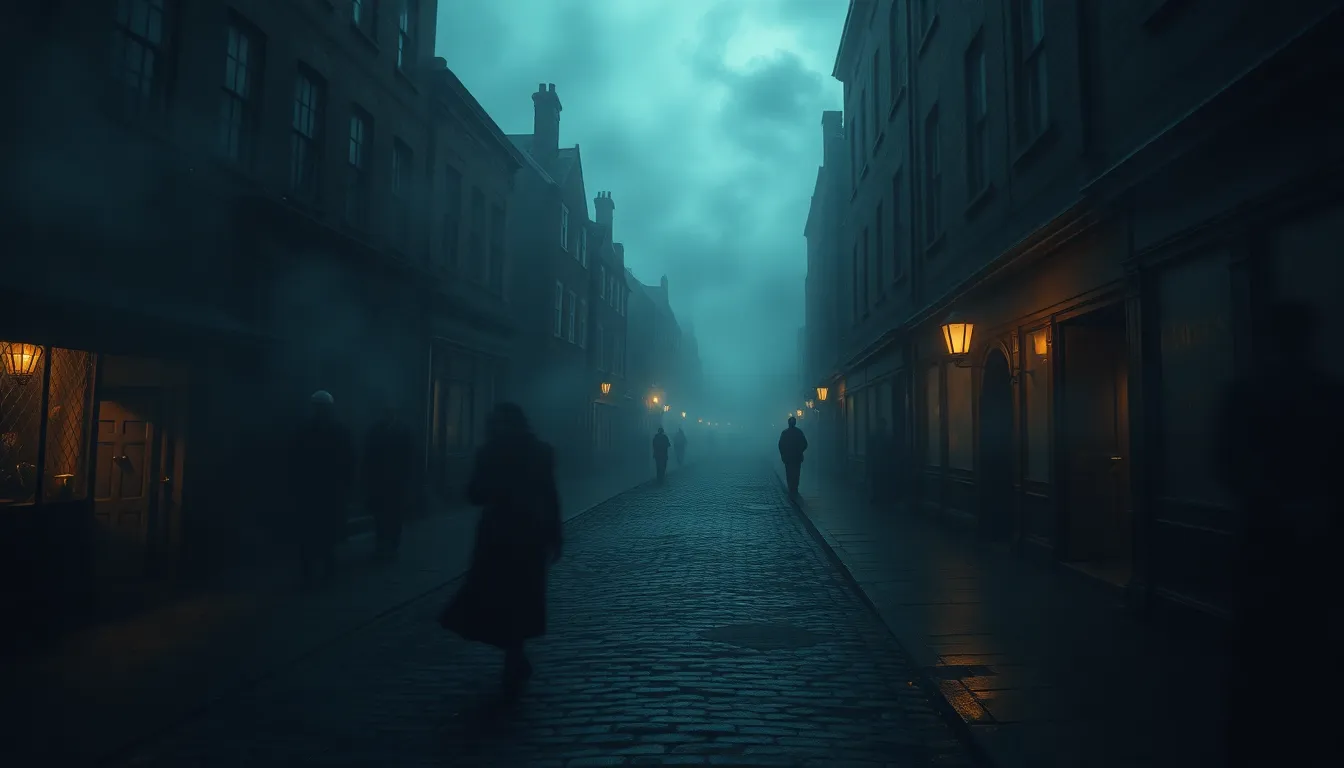
This section examines the environment surrounding Jack the Ripper and the lives of his victims. Understanding this context reveals the gravity of the events that transpired in Victorian London.
Jack the Ripper Era
Jack the Ripper operated during a time marked by social upheaval in 1888. Economic depression, rapid urbanization, and a growing population plagued London. These factors created a hostile environment in districts like Whitechapel. The increasing poverty led to widespread crime and desperation among marginalized communities. Society treated residents in these areas with neglect, contributing to the chilling landscape of the time. The Ripper’s crimes, characterized by their brutality and public nature, captured the attention of the media and the public. Public fascination intensified as authorities failed to catch the killer, allowing speculation to spiral.
Victims Overview
Victims of Jack the Ripper included five women, often referred to as the “canonical five.” Mary Ann Nichols, Annie Chapman, Elizabeth Stride, Catherine Eddowes, and Mary Jane Kelly shared tragic circumstances. Each faced severe hardship, with many resorting to prostitution for survival. Society viewed these women as expendable due to their impoverished status. Their lives, filled with struggle and pain, highlight systemic failures and the societal perceptions of women at the time. Photographs of the victims serve as stark reminders of their humanity and the violence they endured. These chilling images underscore the pressing need for acknowledgment and reflection on this dark chapter of history.
Examination of Victim Photos
Photographs of Jack the Ripper’s victims evoke a powerful emotional response, emphasizing their humanity and tragic stories. These images carry significant historical weight, highlighting the horrors faced by the women in Victorian London.
Significance of the Photos
Victim photos hold immense significance as they serve as lasting reminders of the individuals affected by violence. They illuminate the societal neglect experienced by these women, drawing attention to their struggles and suffering. Each image reflects a life cut short, urging society to confront the harsh realities these victims faced. The visual evidence underscores the human cost of crime, resonating deeply with both historians and the public alike. By examining these photos, individuals gain insight into the broader context of women’s lives during this turbulent era.
Analysis of Public Reaction
Public reaction to the victim photos ranged from shock to fascination, altering perceptions of the murders. Many individuals felt a deep sense of pity for the victims, recognizing their vulnerability and tragedies. The media’s coverage amplified this emotional response, creating sensational narratives around the crimes. Interest in the Ripper case sparked debates about morality and safety in society. Some viewed the photos as gruesome spectacles, which further complicated discussions about the ethics of true crime representation. Overall, reactions reflect the complex interplay between empathy and sensationalism that continues to shape society’s understanding of these historical events.
Ethical Considerations
Ethical concerns arise when discussing photographs of Jack the Ripper’s victims. These images often evoke strong emotions and provoke debates about the morality of exploiting tragic histories for sensationalism.
Exploitation of Victimhood
Victimhood often becomes a commodity in discussions surrounding the Ripper. Many media outlets have used photographs to attract attention, prioritizing shock value over respect. Marginalized women’s stories deserve dignity instead of spectacle. Families of the victims experience pain while these images circulate, reminding the public of their loved ones’ tragedies. Public fascination can overshadow the women’s individual lives, reducing them to mere images of horror. Such exploitation raises questions about societal values surrounding crime and victim representation.
Impact on Society
Societal impact is profound when discussing these photos. They serve as reminders of systemic failures that allowed violence against women. Many begin to confront historical injustices through these visual representations. Community dialogue shifts as discussions about gender and safety emerge in light of the Ripper’s actions. People often feel compelled to advocate for women’s rights, prompted by the tragic stories behind these images. Public perception evolves alongside these narratives, emphasizing the importance of respectful remembrance.
Modern Perspectives
Contemporary views on the victims of Jack the Ripper reflect a blend of respect and fascination. The significance of their stories resonates in modern discussions, highlighting their humanity.
Use in Media and Art
Media representations of Jack the Ripper’s victims often provoke strong reactions. Documentaries, films, and artworks aim to capture their plight, frequently balancing horror with empathy. Artwork that memorializes these women seeks to humanize them, portraying their lives beyond their tragic ends. Numerous artists explore themes of violence and societal neglect, creating pieces that invite viewers to reflect on the broader implications of their suffering. The ongoing portrayal in popular culture intensifies interest, sparking debates on ethical representation and historical truth.
Ongoing Discussions in Forensics
Forensic discussions surrounding the Ripper’s case evolve continually with advancements in technology. Experts examine old evidence using modern techniques, aiming to uncover new insights into the crimes. DNA analysis offers fresh hope for identifying the killer, while ongoing studies question previous assumptions about the victims’ lives. Scholars investigate the accuracy of early police reports, providing context for modern evaluations of the case. Debates about the ethical implications of using scientific methods on historical crimes challenge how society remembers these women and understands criminal behavior.
Jack the Ripper’s legacy extends beyond the gruesome details of his crimes. The haunting photographs of his victims serve as powerful reminders of the lives lost and the societal failures that allowed such violence to occur. Each image tells a story of struggle and neglect, urging society to reflect on its past and the treatment of marginalized individuals.
As discussions about these victims continue to evolve, it’s essential to approach their narratives with empathy and respect. The ongoing fascination with this dark chapter in history invites a deeper understanding of the complexities surrounding crime and its impact on society. By remembering the victims as individuals rather than mere statistics, it’s possible to foster a more compassionate dialogue about historical injustices and women’s rights.