

Imagine biting into a dish that tells a story—where every flavor is a chapter and every ingredient a character. A cultural dining experience isn’t just about food; it’s a passport to the world, inviting diners to explore diverse traditions and tantalizing tastes without ever leaving their seat. From the spicy tang of Thai street food to the rich aromas of Italian home cooking, each meal offers a delightful journey that sparks curiosity and ignites the senses.
Overview of Cultural Dining Experience
Cultural dining experiences encompass more than just meals; they present an opportunity to explore and appreciate diverse traditions. Each dish tells a story, often rooted in history, geography, and social practices. Exploring the vibrant tastes of Thai street food offers a glimpse into the daily lives of its community, while savoring Italian pasta evokes the warmth of family gatherings.
Restaurants that focus on cultural dining often emphasize authenticity. They aim to replicate the true flavors and presentations typical of a specific region. Chefs frequently source ingredients from local markets, aligning their menus with the seasons and local customs. In urban areas, fusion cuisine emerges, combining elements from various cultures to create unique dishes, further enhancing the dining experience.
Participating in activities like cooking classes can deepen understanding of a culinary culture. Engaging with local chefs allows diners to comprehend the significance of certain techniques and ingredients. Additionally, themed dining events offer immersive experiences, combining food with traditional music, art, or dance.
Diners should approach cultural meals with an open mind. Trying unfamiliar flavors and presentations broadens culinary horizons. Appreciating a meal within its cultural context enriches the experience and fosters a greater respect for global diversity. Cultural dining experiences invite individuals to connect through a shared appreciation for food, ultimately creating a sense of community among diners.
Importance of Cultural Dining
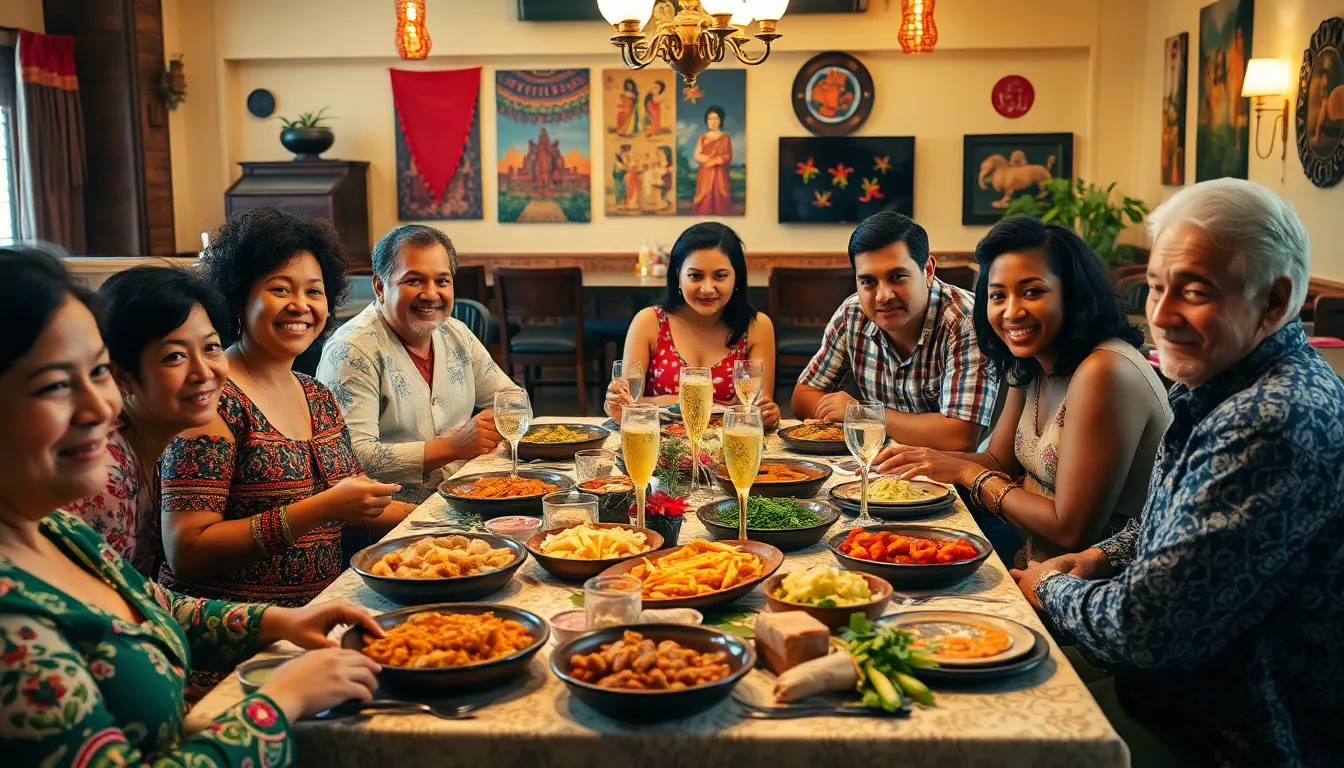
Cultural dining plays a crucial role in bringing people together through the shared enjoyment of food. Exploring different cuisines fosters connections among individuals from diverse backgrounds.
Connecting Through Food
Food functions as a universal language that transcends cultural boundaries. Diners often bond over shared meals, creating an atmosphere of warmth and camaraderie. Engaging with traditional meals helps individuals appreciate various customs. Interactions during dining experiences promote understanding and cultural exchange. Observing others’ dining rituals encourages respect for diverse practices. One dish may spark conversations about heritage and personal stories. Ultimately, dining together enriches collective experiences and strengthens community ties.
Preserving Traditions
Preserving culinary traditions sustains cultural identity and heritage. Recipes passed down through generations embody historical significance and regional flavors. Participating in cultural dining allows individuals to learn about local customs and celebrate authenticity. Restaurants highlighting traditional dishes often use ancestral cooking methods and local ingredients. Engaging with these practices reinforces the importance of maintaining culinary legacies. In this way, authentic dining experiences contribute to the continuity of cultural narratives. They ensure that future generations can appreciate and enjoy the rich diversity of world cuisines.
Types of Cultural Dining Experiences
Cultural dining experiences come in various forms, each offering unique insights into culinary traditions.
Regional Cuisine Restaurants
Regional cuisine restaurants showcase authentic dishes that represent specific areas. Diners can discover local flavors intertwined with cultural history. For instance, a restaurant specializing in Cajun cuisine presents dishes rich in spices and ingredients native to Louisiana. Diners experience the essence of a region through its traditional recipes, allowing for appreciation of diverse cooking styles. These establishments frequently prioritize sourcing ingredients locally, enhancing the authenticity of their menus. Unique dining experiences arise from regional variations, where dishes reflect the cultural and agricultural heritage of each area.
Home-Cooked Meals
Home-cooked meals offer an intimate glimpse into a culture’s culinary practices. Guests often enjoy meals prepared by local families or community hosts, which creates a welcoming atmosphere. Each dish typically carries stories and recipes passed down through generations, offering insight into personal histories. Eating such meals fosters connections, as hosts share their cultural heritage and customs. This form of cultural dining emphasizes the importance of community and tradition. An evening filled with home-cooked dishes allows diners to savor flavors while gaining a deeper understanding of the culture behind them.
Food Festivals
Food festivals celebrate culinary diversity and traditions through vibrant gatherings. These events often feature a variety of food stalls, showcasing regional specialties and international cuisines. Attendees experience the excitement of tasting various dishes, such as dumplings, tacos, and pastries, all in one location. Festivals frequently include cooking demonstrations and competitions, emphasizing the skills of local chefs. Engaging in these activities fosters appreciation for culinary creativity and cultural exchange. Additionally, food festivals serve as platforms for communities to share their culinary traditions, promoting unity and fellowship among diverse groups.
Elements of a Memorable Cultural Dining Experience
Memorable cultural dining experiences revolve around distinct elements that enhance appreciation of culinary traditions. Attention to atmosphere, authenticity, and interaction elevates the overall dining journey.
Atmosphere and Ambiance
A vibrant atmosphere sets the mood for a cultural dining experience. Décor often reflects the region’s heritage, featuring traditional art and cultural motifs. Lighting plays a significant role, with warm tones creating an inviting space. Background music frequently showcases local sounds, enhancing sensory engagement. Inviting seating arrangements encourage conversation and connection among diners. Unique table settings, including traditional utensils and dinnerware, layer on authenticity, allowing guests to immerse themselves fully.
Authenticity of Dishes
Authenticity remains crucial in a memorable cultural meal. Restaurants prioritize sourcing ingredients from local markets and producers, ensuring fresh flavors and traditional techniques. Dishes often feature recipes passed down through generations, embodying historical significance. Respect for regional cooking methods adds depth to flavors, making each bite a taste of culture. Seasonal ingredients align menu offerings with local customs, offering diners an authentic experience. Food that reflects true culinary heritage provides a deeper connection to the culture being represented.
Interaction with Hosts
Interactions with hosts significantly shape the dining experience. Friendly hosts share stories behind dishes, providing context about ingredients and cooking practices. Personal anecdotes engage diners, fostering a sense of connection to the culture. Enthusiastic chefs often explain their culinary inspirations, enhancing appreciation for their artistry. Inviting guests to participate in cooking demonstrations adds a unique dimension, transforming diners into active participants. The warmth and hospitality from hosts create an inviting environment, reinforcing the communal aspect of dining.
Cultural dining experiences offer a unique opportunity to explore and appreciate the rich tapestry of global traditions. Each meal serves as a gateway to understanding diverse histories and practices that shape culinary landscapes. By embracing authenticity and engaging with local customs, diners can foster a deeper connection to the cultures represented on their plates.
These experiences not only satisfy hunger but also cultivate community and camaraderie among individuals from different backgrounds. As food continues to be a universal language, cultural dining encourages meaningful interactions and conversations that celebrate diversity. Ultimately, participating in these experiences enriches one’s life while preserving the culinary legacies that define our shared humanity.