

In a world where everyone seems to know your whereabouts, sometimes it’s nice to reclaim a little privacy. Whether you’re trying to avoid that awkward run-in with an ex or simply want to keep your location under wraps, turning off GPS on your iPhone can be a game changer.
Understanding GPS and Its Importance
GPS, or Global Positioning System, enables devices to determine precise locations using satellites. This technology serves essential functions in navigation, location tracking, and timing services. Transportation applications show significant benefits, helping drivers find the fastest routes. Emergency responders utilize GPS for quickly locating individuals in distress.
While GPS enhances convenience, it raises privacy concerns. Many users don’t realize that active GPS tracking exposes them to potential surveillance. Keeping location data accessible invites unwanted attention from advertisers, social media platforms, and even malicious entities. Confidentiality during sensitive situations remains crucial for maintaining personal privacy.
Some individuals prefer to disable GPS due to security reasons. Turning off location services significantly reduces the chances of unauthorized tracking. Privacy-minded users recognize the importance of protecting their personal locations. By managing device settings, they regain control over their geographical information.
Disabling GPS doesn’t eliminate its benefits. Users can still access offline maps and pre-download navigation routes. With planning, individuals can enjoy the advantages of GPS without compromising their privacy. Making informed choices about location services fosters a safer digital environment.
Understanding GPS’s functionality and implications helps individuals make educated decisions about their privacy. Disabling GPS on an iPhone can protect against invasive tracking while still allowing users to navigate effectively. Educating oneself about GPS allows for better control over personal data in a connected world.
How to Turn GPS Off on iPhone
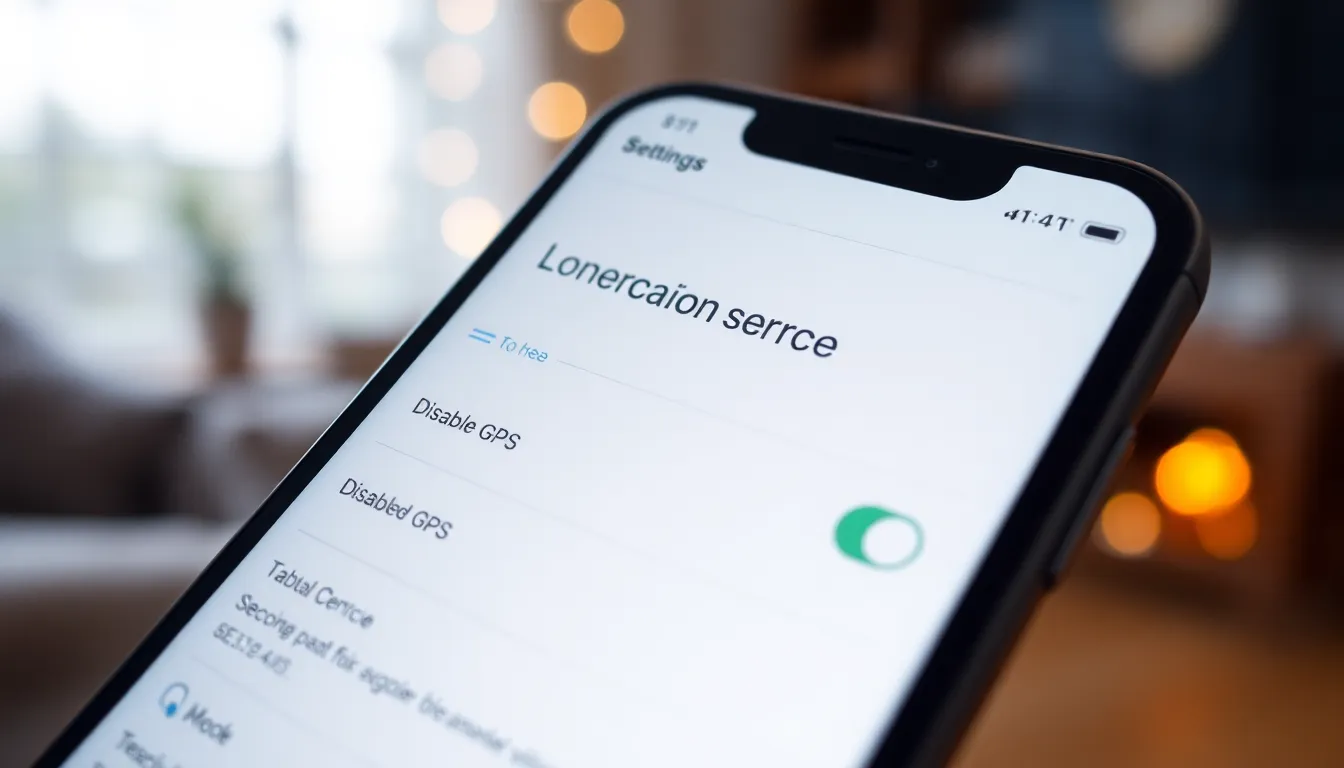
Turning off GPS on an iPhone enhances privacy while still allowing users access to necessary features. Different methods help users disable GPS easily.
Using Settings App
Users can navigate to the Settings app to manage GPS settings. Tapping on Privacy, then Location Services opens the location settings. Users find a toggle switch to turn off Location Services completely. Alternatively, it’s possible to disable GPS for specific apps by selecting each app and choosing “Never” from the options. This approach allows him or her to maintain some level of location accuracy for desired features while protecting privacy against unwanted tracking.
Using Control Center
Accessing the Control Center provides a quick way to disable GPS. A swipe down from the top-right corner reveals several quick access icons. Tapping the location icon turns off location services for all apps. This method offers immediate control without navigating through multiple screens. Users can also reactivate GPS easily when needed for navigation or location-dependent features.
Privacy Implications
Privacy risks often arise from constant GPS tracking. Users must be aware that enabling Location Services can expose their whereabouts to various apps.
Location Services and App Permissions
Location Services manage app access to GPS. Apps like maps or ride-sharing require this feature, while others, such as games or cameras, may not. Users must regularly review app permissions to maintain control over their location data. Disabling Location Services can prevent unwanted tracking and limit data sharing. This action emphasizes an individual’s right to privacy without completely sacrificing app functionality.
Impact on Usability
Turning off GPS reduces location accuracy for navigation apps. Users may face challenges finding directions or using location-dependent features. Certain applications, such as food delivery or travel, depend on accurate GPS for efficiency. As a result, disabling GPS entirely may lead to a decrease in usability for these services. Users should weigh privacy concerns against the functional benefits of maintaining GPS access to make informed decisions.
Alternative Location Options
Disabling GPS on an iPhone doesn’t mean losing access to location-based features. Utilizing alternative location options can help enhance privacy while still providing useful services. Offline maps serve as a valuable resource for navigation without the need for constant GPS tracking. Users can download maps ahead of time, ensuring access to navigation even in areas with limited connectivity.
Another option lies in adjusting app-specific location settings. By enabling location services for particular apps, individuals maintain necessary functionalities while avoiding broader tracking. Selecting the “While Using the App” option limits location access to specific times when the app actively operates. This approach balances privacy and usability effectively.
Bluetooth also plays a role in alternative location tracking methods. Devices like Bluetooth beacons provide location services without relying solely on GPS. Many businesses utilize Bluetooth technology to enhance user experiences while keeping GPS-related privacy concerns at bay.
Wi-Fi positioning offers another layer of location identification. Connecting to Wi-Fi networks can help determine location accurately, even when GPS is disabled. Apps that utilize Wi-Fi triangulation can still function effectively, providing guidance without compromising privacy.
Using these alternatives allows users to maintain control over their location data. They can enjoy the benefits of digital navigation without the constant surveillance often associated with GPS tracking. Ultimately, individuals can prioritize their privacy while still accessing essential services through thoughtful adjustments to their location settings.
Turning off GPS on an iPhone is a crucial step for those prioritizing privacy in today’s digital landscape. By disabling Location Services, users can significantly reduce the risk of unauthorized tracking while still retaining access to essential features.
Employing methods like adjusting app-specific settings or using offline maps allows individuals to navigate effectively without compromising their personal information. Regularly reviewing app permissions further enhances control over location data.
Ultimately, finding the right balance between privacy and functionality empowers users to enjoy technology while safeguarding their personal space. Taking these steps ensures a safer and more private experience in a connected world.