

Culture is like a giant buffet—there’s something for everyone, but not everyone knows how to appreciate the spread. From the spicy flavors of street food in Thailand to the elegant rituals of a Japanese tea ceremony, cultural differences shape how people see the world. These unique customs and traditions not only spice up our lives but also offer valuable lessons in understanding and empathy.
Understanding Differences In Culture
Cultural differences shape individual identities and collective experiences across the globe. Exploring these variances fosters appreciation and understanding among diverse communities.
Definition Of Culture
Culture encompasses the beliefs, values, customs, and practices that characterize a specific group. These elements manifest in language, art, food, and social habits. People’s worldviews often derive from cultural influences, shaping how they interact with their surroundings. Variations in culture emerge from historical experiences, geographic locations, and social structures. For instance, communal gatherings are common in many African cultures, contrasting with the more individualistic celebrations found in Western societies. Understanding this broad definition highlights how essential culture is in shaping human interactions and societal norms.
Importance Of Cultural Awareness
Cultural awareness enhances relationships in increasingly globalized environments. Recognizing and respecting different perspectives leads to improved communication. Individuals can avoid misunderstandings by acknowledging varying cultural norms. Team dynamics benefit greatly from cultural diversity, with distinct viewpoints fostering creativity. Furthermore, cultural competence builds trust in personal and professional relationships. Engaging in cultural exchange allows for shared learning experiences. These factors contribute to a more inclusive society where empathy and collaboration thrive, making cultural awareness a vital competency in today’s interconnected world.
Factors Influencing Differences In Culture
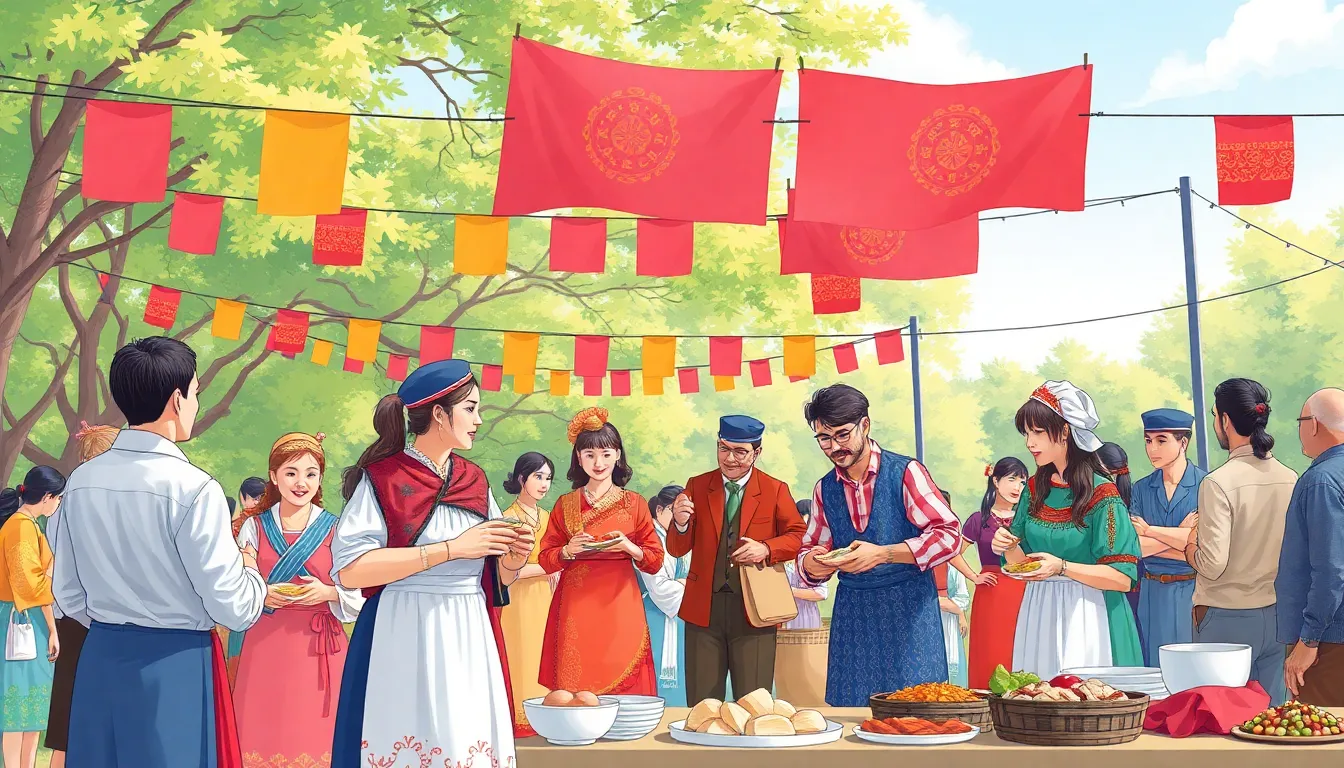
Cultural differences arise from various factors that shape societies. Geography and environment play significant roles in determining cultural characteristics.
Geography And Environment
Geography influences culture through natural resources and climate. Coastal regions often develop distinct fishing traditions while mountainous areas focus on agriculture. Food preferences vary based on what ecosystems provide, impacting culinary practices across cultures. Environmental factors also affect clothing choices, with warmer climates leading to lighter fabrics and elaborate traditional attire. Additionally, how communities engage with their surroundings shapes celebrations and social customs, reflecting their relationship with nature. These geographical influences contribute to the vibrant tapestry of global cultures.
History And Traditions
History gives depth to cultural variations. Historical events, such as colonization or migrations, shape societal norms and values. Traditional practices often emerge from these shared experiences, influencing celebrations and rituals. For instance, indigenous cultures maintain practices that highlight their historical significance, while modern societies adapt these traditions to contemporary life. Understanding cultural heritage allows communities to foster a sense of identity and belonging. As traditions evolve, they serve as bridges connecting past experiences to present-day customs, reinforcing cultural diversity globally.
Types Of Cultural Differences
Cultural differences manifest in various ways, influencing behaviors and interactions across societies.
Individualism Vs. Collectivism
Individualism emphasizes personal autonomy and self-expression, common in societies like the United States. People in these cultures prioritize individual goals and achievements. In contrast, collectivism focuses on group harmony and community, prevalent in many Asian cultures. Individuals in collectivist societies often share responsibilities and successes, valuing group consensus over personal ambitions. This fundamental difference affects decision-making, social interactions, and approaches to conflict resolution.
Communication Styles
Communication styles vary significantly between cultures, impacting understanding and relationships. High-context cultures, such as Japan and China, rely on implicit communication and non-verbal cues. People in these settings often use gestures and tone to convey meanings beyond words. Low-context cultures, including Germany and the United States, prefer direct communication and explicit language. Individuals in these cultures value clarity and straightforwardness, often leading to different interpretations of messages and expectations. Recognizing these differences enhances cross-cultural interactions.
Impact Of Differences In Culture
Cultural differences significantly influence various aspects of life, including personal relationships and business interactions. Understanding these impacts fosters deeper connections and effective collaboration.
On Personal Relationships
Cultures shape how individuals communicate and express emotions. In collectivist cultures, strong family ties and community support play a vital role in relationships. On the other hand, individualistic societies emphasize personal autonomy and self-reliance. These contrasting approaches can either enhance or complicate interactions, depending on one’s cultural background. Trust is often built differently; in some cultures, shared experiences strengthen bonds while others may prioritize verbal commitments. Respecting and adapting to diverse cultural norms encourages meaningful connections and diminishes misunderstandings.
On Business And Economy
Cultural differences greatly influence business practices and economic interactions. In collectivist cultures, teamwork and consensus are crucial for decision-making. Negotiation styles also vary; indirect approaches are common in high-context cultures, while low-context cultures prefer straightforward communication. Adaptability proves essential for achieving successful outcomes in diverse markets. Understanding local customs enhances relationship-building, which is vital for long-term partnerships. Additionally, cultural awareness can lead to innovative solutions, benefiting both employees and clients. Acknowledging these differences leads to more productive and harmonious workplaces.
Cultural differences are more than just variations in customs; they shape identities and influence interactions on a global scale. Embracing this diversity fosters understanding and empathy among individuals and communities. By recognizing the unique perspectives each culture offers, people can enhance their personal and professional relationships.
In an interconnected world, cultural awareness becomes essential for effective communication and collaboration. By valuing these differences, individuals not only enrich their lives but also contribute to a more inclusive society. Ultimately, appreciating cultural diversity is key to building a harmonious future where everyone can thrive.